

Home » Diagnosis and Prognosis – Helpful Documents
This section of the website contains documents and resources that may help you navigate diagnosis and prognosis
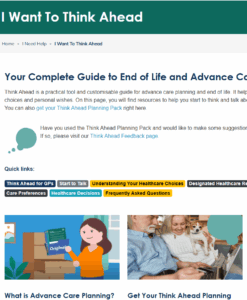
Think Ahead is a practical tool and customisable guide for advance care planning and end of life. It helps you document your healthcare choices and personal wishes. On this page, you will find resources to help you start to think and talk about your preferences for end of life. You can also get your Think Ahead Planning Pack right here.
You can access the document here: I Want To Think Ahead
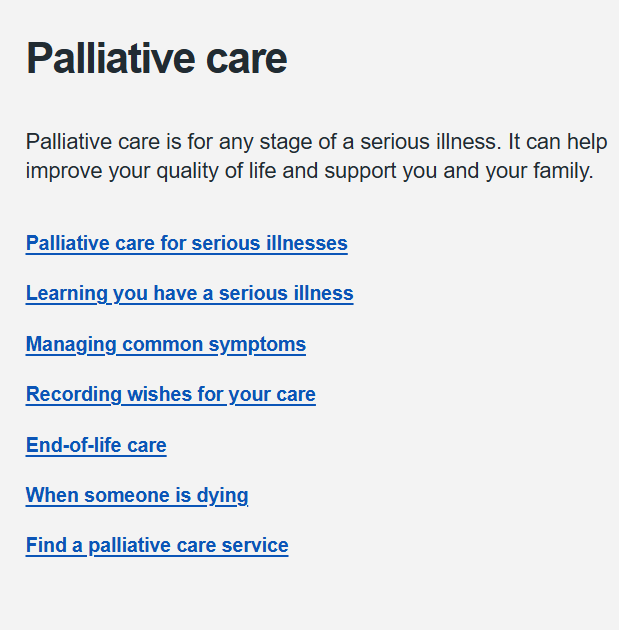
The Palliative Care A to Z provides public facing information for patients, families and carers in particular, but also for healthcare staff. It explains what palliative care is, who it is for, how it works in practice, and how it fits alongside other healthcare services in Ireland in a plain English format.
The Palliative Care A to Z describes when palliative care may be appropriate, how care is planned and reviewed, and the holistic nature of supports provided, including symptom management, psychological and emotional support, practical assistance, and support for carers.
You can access the document here: Palliative Care A to Z
This booklet has been developed by the Palliative Care Senior Nurses Network as an aid for people seeking information about palliative care. The term palliative care can raise a number of important questions. The purpose of this booklet is to help people ask the questions they need to gain the information they need about their own illness or their loved ones illness and what role palliative care can provide.
You can access the document here: Palliative Care – Asking the questions that matter to me
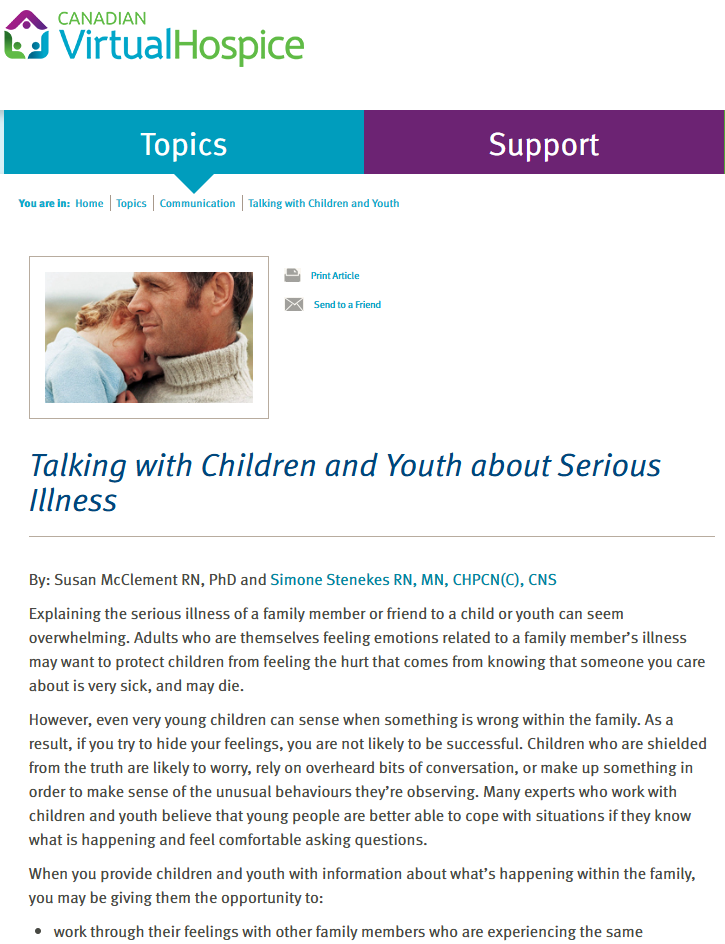
Children who are shielded from the truth are likely to worry, rely on overheard bits of conversation, or make up something in order to make sense of the unusual behaviours they’re observing. Many experts who work with children and youth believe that young people are better able to cope with situations if they know what is happening and feel comfortable asking questions.
You can access the document here: Talking with Children and Youth about Serious Illness